York, 1062 -- Norman England
1062 AD -- York, England
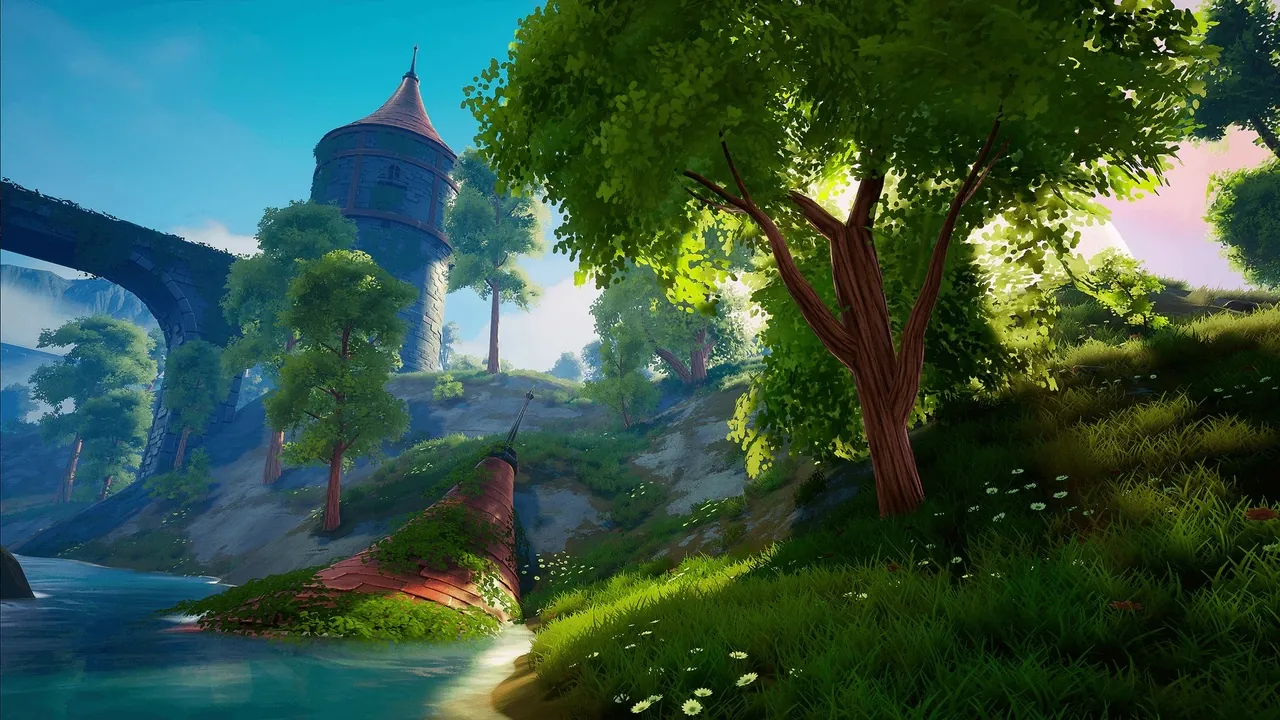
On the eve of the Norman Conquest. Motte-and-bailey fortresses, Viking heritage, and medieval life.
Historical Curiosities
Discover real facts hidden throughout this diorama.
In 1066, William the Conqueror built two motte-and-bailey castles in York within just two weeks -- one on each side of the River Ouse.
York was originally a Roman fortress called Eboracum. Emperor Constantine the Great was proclaimed emperor here in 306 AD.
The Vikings captured York in 866 and renamed it Jorvik. Under Viking rule, it became one of the largest trading cities in northern Europe.
By 1062, York still had visible Roman walls alongside new Norman fortifications -- three civilizations of architecture standing side by side.
Anglo-Saxon churches in York used a mix of Roman bricks salvaged from ruins. Recycling building materials was common for centuries.
The Domesday Book of 1086 recorded that York had been so devastated by William's Harrying of the North that many houses stood empty and valueless.
Medieval York had over 40 churches within its walls -- roughly one for every 200 residents. Religion shaped every corner of daily life.
Viking-age York had wooden sidewalks to keep people above the mud. Archaeologists found them preserved under layers of centuries-old dirt.