Kyoto, 1503 -- Feudal Japan
1503 AD -- Kyoto, Japan
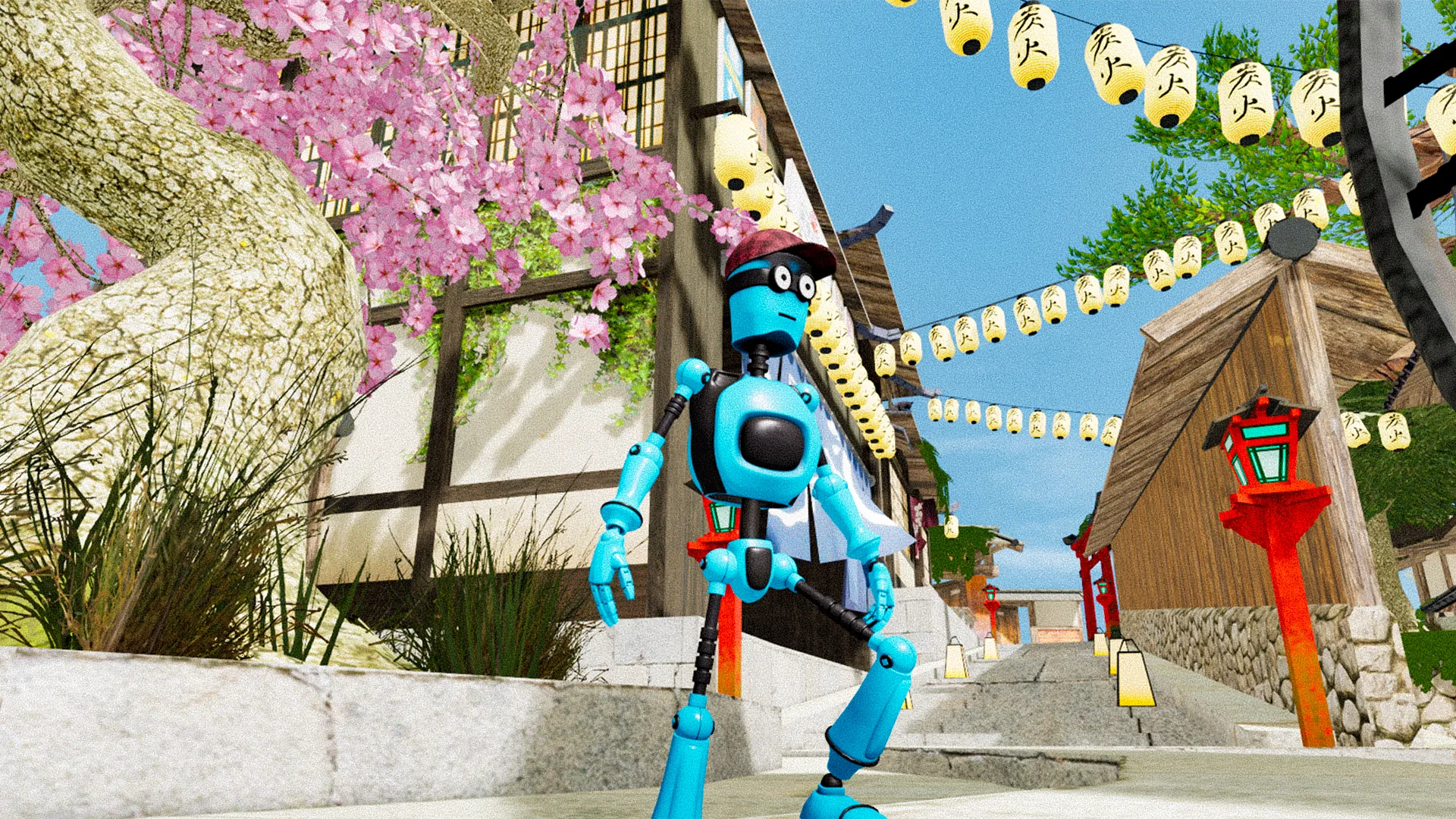
The age of warring states. Samurai, zen gardens, and the delicate balance between beauty and war.
Historical Curiosities
Discover real facts hidden throughout this diorama.
In 1467, the Onin War destroyed most of Kyoto. By 1503, the city was still rebuilding -- some temples took over a century to restore.
Kinkaku-ji (the Golden Pavilion) was originally built in 1397 as a retirement villa. The shogun liked it so much he turned it into a temple.
Samurai in 1503 followed bushido, but the code was not written down until centuries later. In practice, they made up the rules as they went.
Zen rock gardens were designed for meditation, not decoration. Ryoan-ji has 15 stones, but you can never see all 15 from any single angle.
Tea ceremonies became popular among samurai as a way to prove they could be gentle. Spilling tea was considered a serious embarrassment.
Japanese swords (katanas) took months to forge. A single blade required folding the steel up to 16 times -- over 65,000 layers.
Ninja were real, but they were not dressed in black. Most disguised themselves as monks, merchants, or farmers to blend in.
In 1503, Kyoto had over 100,000 people, making it one of the largest cities in the world -- bigger than London at the time.