Hatra, 201 AD -- Ancient Persia
201 AD -- Hatra, Persia
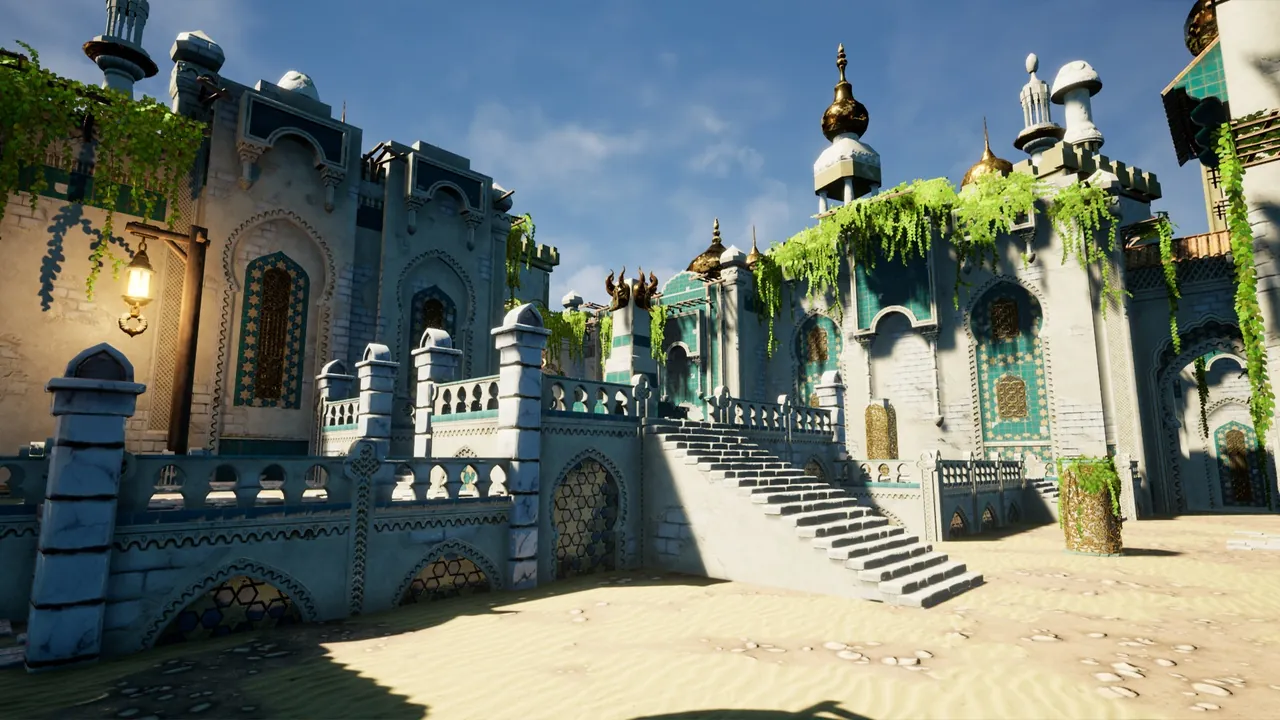
A fortress city at the edge of empires. Sunken gardens, golden latticework, and ancient magical traps.
Historical Curiosities
Discover real facts hidden throughout this diorama.
Hatra withstood two sieges by the Roman Empire -- in 116 and 198 AD. The Romans never managed to breach its massive circular walls.
The city blended Greek, Roman, and Eastern architecture. Its temples mixed Hellenistic columns with Parthian arches -- a style found nowhere else.
Hatra was a major religious center with temples to the sun god Shamash. Pilgrims traveled hundreds of kilometers to worship there.
The city walls formed a near-perfect circle about 2 kilometers in diameter, with over 160 towers and a deep moat -- engineered for defense.
During the Roman siege of 198 AD, defenders reportedly used clay pots filled with scorpions and venomous insects as weapons against the attackers.
Hatra sat on a key trade route between the Roman and Parthian empires. Its wealth came from taxing caravans carrying silk, spices, and precious stones.
The city had an advanced water system. Underground channels collected rainwater and stored it in massive cisterns beneath the desert surface.
Hatra was declared a UNESCO World Heritage Site in 1985. Tragically, much of it was damaged in 2015, but restoration efforts are underway.